Creamy garlic mashed potatoes are the side dish that makes a steak dinner feel complete. They are rich, smooth, and full of roasted garlic flavor, and they soak up steak juices and gravy better than any other side on the table. The difference between good mashed potatoes and great ones comes down to a few small choices: the right potato, real butter, warm cream, and a gentle hand with the mashing.
This recipe uses a mix of Yukon Gold potatoes and a whole head of roasted garlic, which turns sweet and mellow in the oven. The result is a mash that is creamy without being heavy, with a deep garlic flavor that never tastes sharp. It takes about 45 minutes from start to finish, and most of that time the potatoes and garlic are cooking on their own.
Why This Recipe Works
Yukon Gold potatoes are the best choice for mashed potatoes because they have a naturally buttery flavor and a creamy texture that holds up to mashing. Starchy russet potatoes can turn gluey if they are overworked, while waxy red potatoes stay lumpy. Yukon Golds sit in the sweet spot: they mash smooth, stay fluffy, and taste rich on their own.
Roasting the garlic changes everything. Raw garlic is sharp and pungent, but roasted garlic is soft, sweet, and nutty. It squeezes out of its skin like a paste and blends into the potatoes without any harsh bite. Warming the butter and cream before adding them keeps the potatoes hot and helps them absorb the fat evenly instead of cooling the mash down.
Ingredients
- 1 whole head garlic
- 1 teaspoon olive oil
- 2 1/2 pounds Yukon Gold potatoes, peeled and cut into 2 inch chunks
- 1 tablespoon kosher salt, for the cooking water, plus more to taste
- 4 tablespoons unsalted butter
- 1/2 cup heavy cream
- 1/4 cup whole milk, plus more as needed
- 1/2 teaspoon black pepper
- 2 tablespoons chopped fresh chives or parsley, for serving
Equipment You Will Need
- A large pot
- A colander
- A potato masher or ricer
- A small saucepan
- Aluminum foil
Step-by-Step Instructions
- Roast the garlic. Heat the oven to 400 degrees Fahrenheit. Cut the top quarter inch off the head of garlic to expose the cloves. Drizzle with olive oil, wrap loosely in foil, and roast for 35 to 40 minutes until the cloves are soft and golden. Let it cool for 10 minutes, then squeeze the soft cloves out of their skins into a small bowl and mash into a paste.
- Cook the potatoes. While the garlic roasts, put the potato chunks in a large pot and cover with cold water by 1 inch. Add the salt. Bring to a boil over high heat, then reduce to a steady simmer and cook for 15 to 20 minutes until the potatoes are very tender and break apart easily when poked with a fork.
- Warm the dairy. While the potatoes cook, melt the butter in a small saucepan over low heat. Add the heavy cream and milk and warm until steaming but not boiling. Warm dairy absorbs into hot potatoes far better than cold dairy, which can make the mash gluey.
- Drain the potatoes. Drain the potatoes in a colander and return them to the hot pot. Let them sit for 1 to 2 minutes so the surface moisture evaporates. Dry potatoes absorb butter and cream instead of water.
- Mash with the garlic. Add the roasted garlic paste to the pot. Mash the potatoes with a potato masher or press them through a ricer. A ricer gives the smoothest result, while a masher leaves a little pleasant texture. Do not use a food processor or blender, which will turn the potatoes into glue.
- Add the warm dairy. Pour in the warm butter and cream mixture a little at a time, stirring gently with a wooden spoon or spatula until the potatoes are creamy and smooth. Add more milk a tablespoon at a time if you want a looser mash.
- Season and serve. Taste and season with salt and pepper. Transfer to a serving bowl, make a small well in the center, and add an extra pat of butter. Sprinkle with chives or parsley and serve hot.
Tips for the Creamiest Mash
- Start in cold water. Potatoes started in cold water cook evenly from the outside in. Potatoes dropped into boiling water cook unevenly and can turn waterlogged on the outside while staying firm inside.
- Do not overwork them. Mash just until smooth. Every extra stir releases more starch, and too much starch makes gluey potatoes.
- Keep everything warm. Warm potatoes, warm butter, warm cream. Cold dairy on hot potatoes cools the mash and makes it stiff.
- Salt the water. Salting the cooking water seasons the potatoes all the way through, which you cannot fully fix by seasoning at the end.
Variations
- Cheesy garlic mash. Stir in 1/2 cup of shredded sharp cheddar or grated Parmesan at the end until melted.
- Sour cream and chive. Replace half the cream with sour cream and add extra chives for a tangy version.
- Brown butter mash. Brown the butter in the saucepan until it smells nutty and the milk solids turn golden, then add the cream.
- Herb mash. Stir in chopped rosemary, thyme, or sage along with the garlic for a fragrant, savory version.
- Dairy free. Use olive oil and warm oat milk or chicken broth in place of the butter and cream.
Serving Suggestions
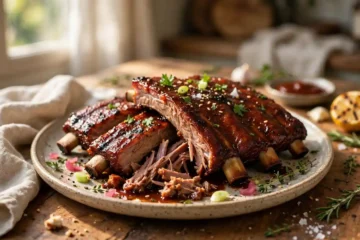
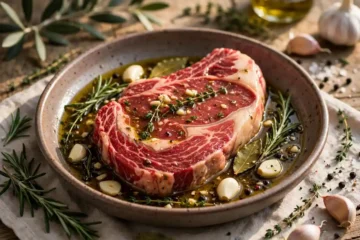
Garlic mashed potatoes belong next to a ribeye, grilled ribs, or roast chicken, and they are the natural partner for gravy, steak sauce, or pan juices. They also work as the base for shepherd’s pie or as a side with meatloaf. For a holiday table, make a double batch and keep it warm in a slow cooker on the warm setting with a pat of butter on top.
Storage and Reheating
Store leftover mashed potatoes in an airtight container in the refrigerator for up to 4 days. To reheat, warm them gently in a saucepan over low heat with a splash of milk or cream, stirring until smooth and hot. They can also be reheated in the microwave in 1 minute bursts, stirring between each burst. Leftover mashed potatoes make excellent potato cakes: form into patties, coat lightly in flour, and pan fry until crisp.
Frequently Asked Questions
What potatoes are best for mashed potatoes?
Yukon Gold potatoes are the best all-around choice because they are naturally creamy and buttery. Russets also work and give a fluffier mash, but they turn gluey more easily if overworked.
Why are my mashed potatoes gluey?
Gluey potatoes usually come from overworking them or from using a food processor or blender. Mash gently with a masher or ricer, and stop as soon as the potatoes are smooth.
Can I use raw garlic instead of roasted garlic?
You can, but the flavor will be much sharper. Roasting the garlic is what makes it sweet and mellow. If you are short on time, simmer 4 peeled cloves in the milk while it warms, then mash them into the potatoes.
Can I make mashed potatoes ahead of time?
Yes. Make them up to 2 days ahead, cool, and refrigerate. Reheat gently on the stove with a splash of cream, or in a slow cooker on low for 1 to 2 hours, stirring once halfway through.
How do I keep mashed potatoes warm for serving?
Transfer them to a heatproof bowl set over a pot of simmering water, or keep them in a slow cooker on the warm setting with a lid on. Stir in a splash of warm cream before serving if they have thickened.
Can I freeze mashed potatoes?
Yes. Cool completely, portion into freezer bags or containers, and freeze for up to 3 months. Thaw overnight in the refrigerator and reheat gently with extra butter and cream, since freezing can make them slightly watery.
Creamy garlic mashed potatoes are one of those sides that quietly steal the show. Make them once, and they will become the default side for every steak night.

0 Comments